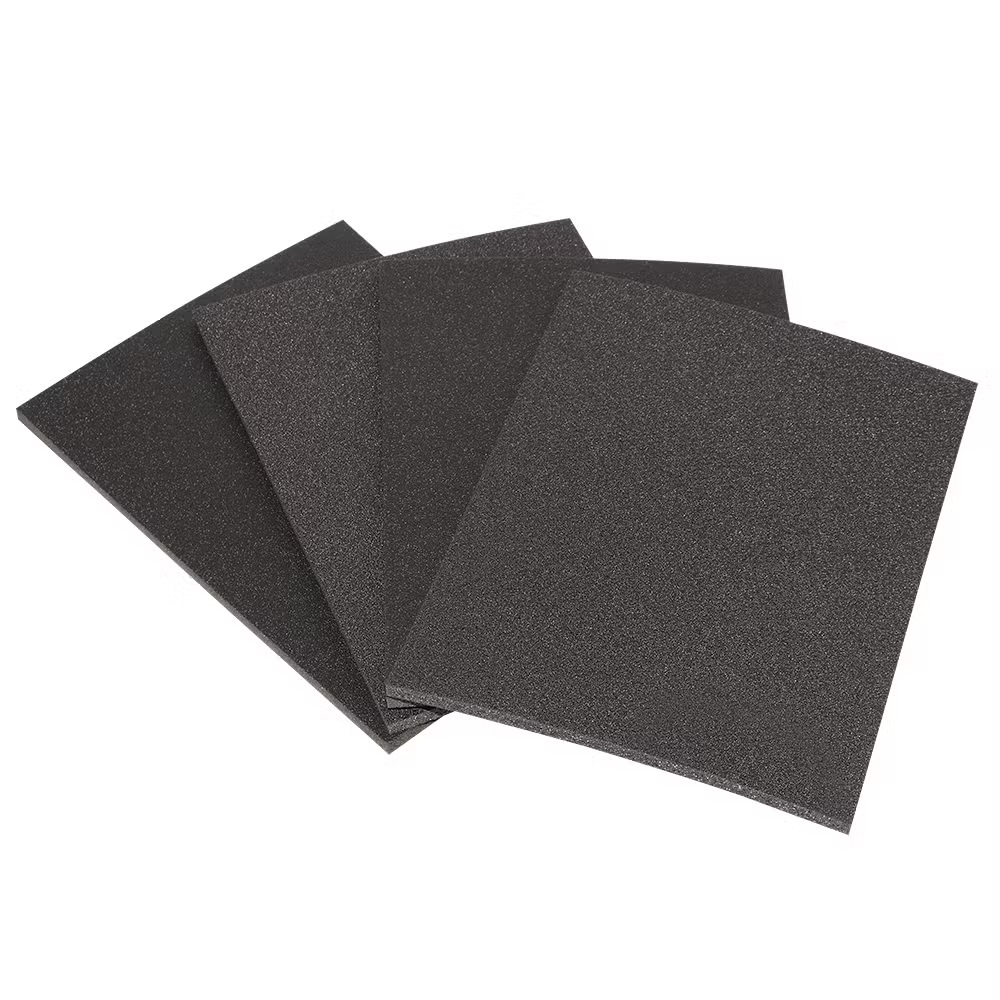
As the global electronics, semiconductor, and precision equipment industries tighten quality control in logistics, packaging requirements have moved far beyond simple cushioning. The shift in foreign direct investment (FDI) and the surge in high-tech exports are placing antistatic Irradiated Cross-linked Polyethylene (IXPE) foam at the center of next-generation supply chain solutions.
A Breakthrough in Irradiation Cross-linking Technology
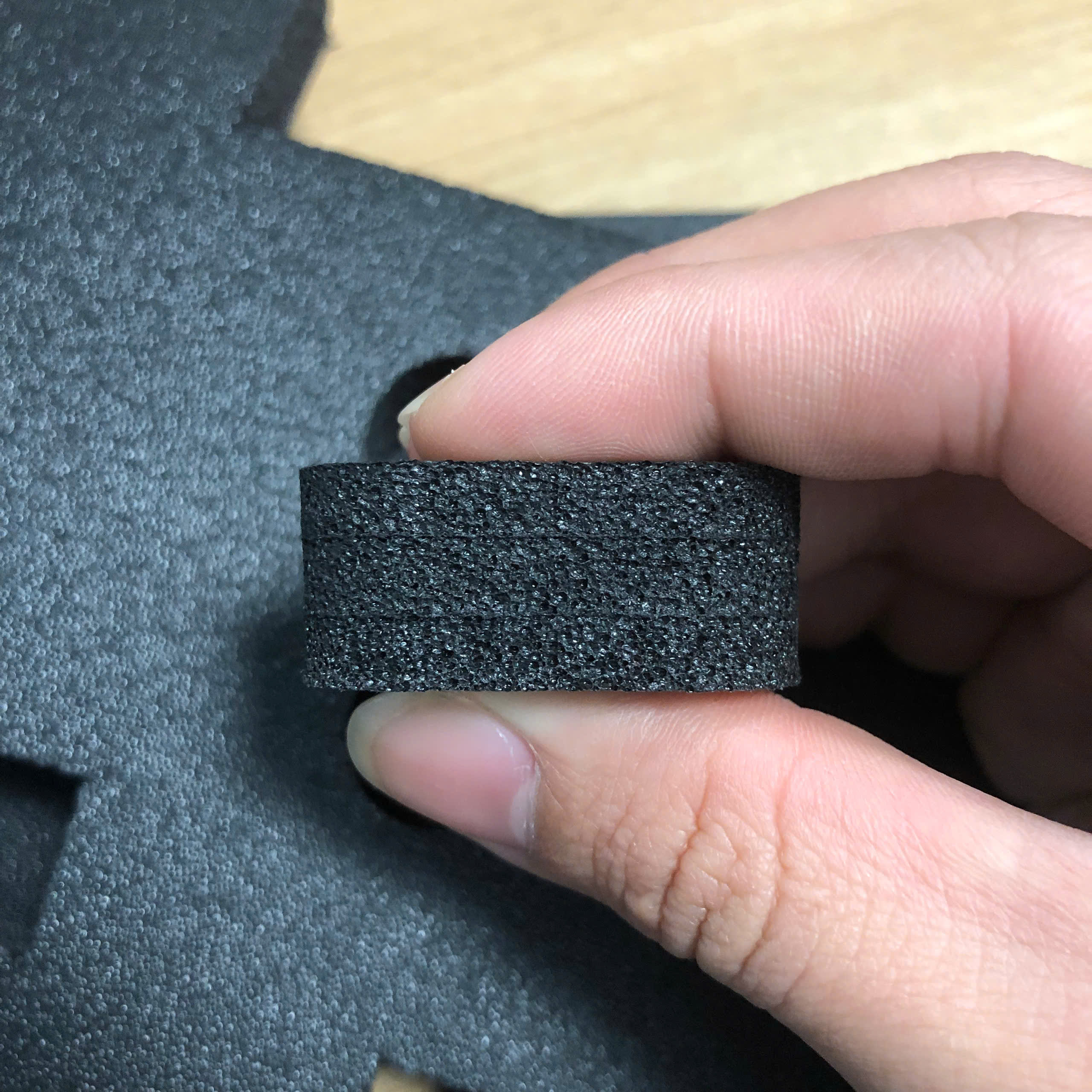
The core difference between IXPE foam and traditional plastic foams lies in its manufacturing process. Through irradiation cross-linking technology, the molecular structure of the polymer is permanently reconfigured into a highly uniform, closed-cell structure. This technique completely eliminates large air pockets, providing the material with superior elasticity and, most importantly, the two most stringent technical properties required by the electronics industry: stable electrostatic dissipation and absolute surface smoothness.
Resolving Friction-Induced Electrostatic Discharge in Long-Distance Transit
For sensitive components such as motherboards, microprocessors, camera modules, or high-resolution displays, electrostatic discharge (ESD) caused by friction during cross-border transit is a leading cause of latent circuit failure.
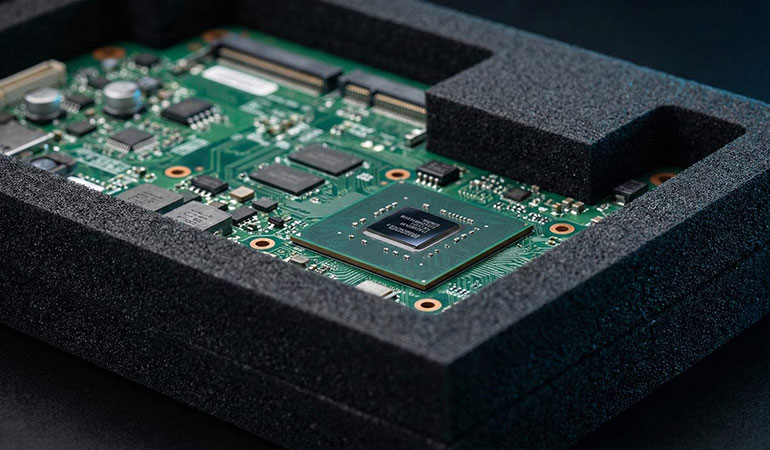
To completely eliminate this risk, premium IXPE products are integrated with antistatic compounds directly into the raw material formulation during the compounding stage, rather than just receiving a temporary surface coating. This innovation allows the material to maintain a stable surface resistance within the range of 10^5 to 10^9 Ohm/sq. Because it remains unaffected by environmental humidity or mechanical wear over time, IXPE foam provides permanent antistatic protection, fully preserving product functionality from the factory to the end consumer.
Ultra-Smooth Surface Standards: Aesthetics Protection and Cleanroom Compliance
Another major advantage that allows IXPE to dominate the premium packaging segment is its velvety, ultra-smooth surface texture. For components with highly sensitive surfaces—such as automotive tempered glass, smartphone screens, or polished plated parts—friction with coarse, conventional foams can easily leave microscopic scratches, reducing product acceptance rates. IXPE, with its micro-cellular closed-cell structure, entirely eliminates this hazard.
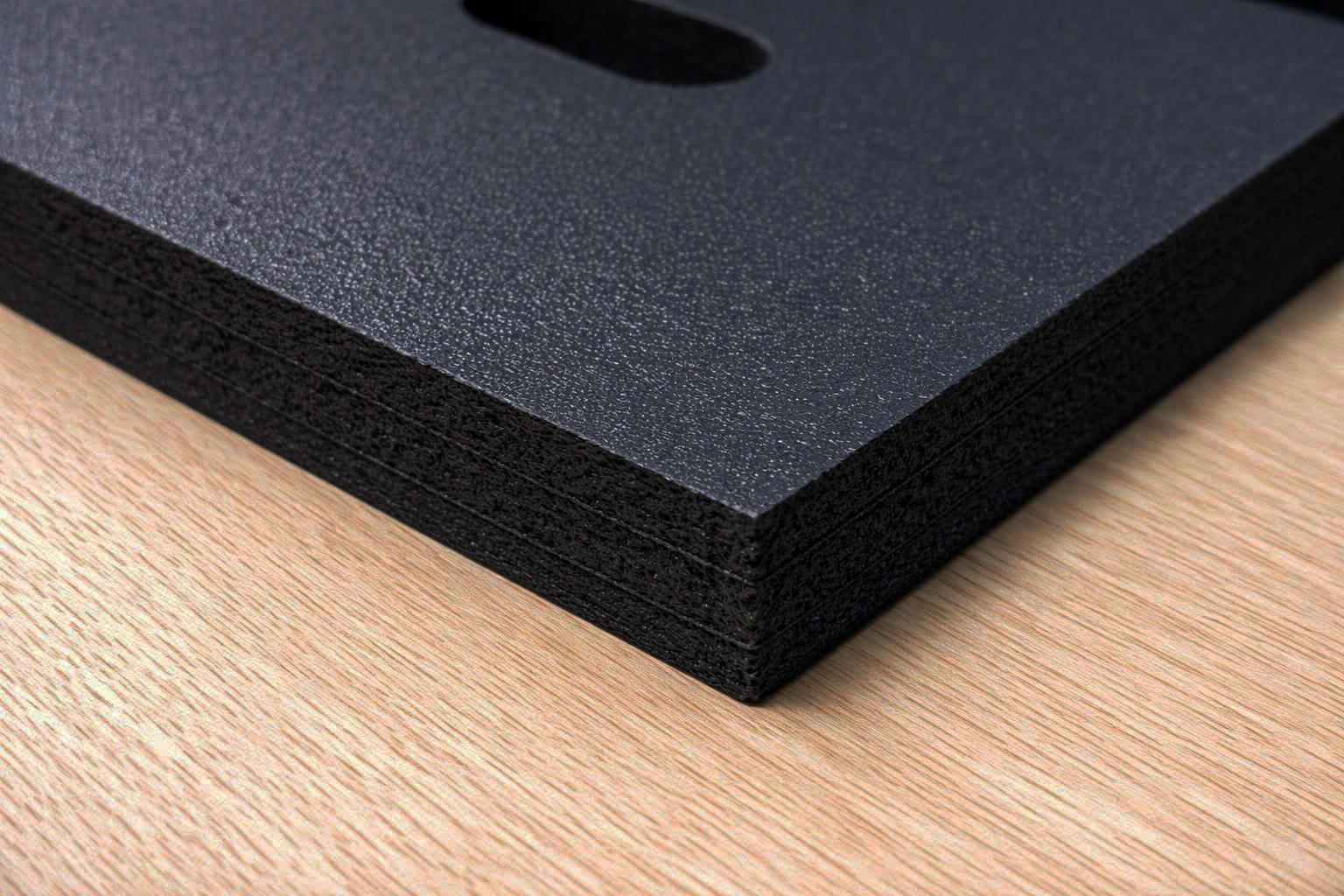
Furthermore, in high-tech manufacturing environments that demand strict cleanroom standards, packaging materials must not generate micro-dust or release volatile organic compounds (VOCs). The enclosed production process of IXPE ensures that the material is chemically inert, preventing any flaking or shedding of plastic fibers throughout its lifecycle. This meets strict international regulations on hazardous substances and carries safety certifications from global inspection organizations.
An Inevitable Trend for Global Manufacturers
Today, as major technology corporations aim to optimize reverse logistics costs and reduce product defect rates in cargo containers to zero percent (0%), the choice of packaging material has become an essential part of risk management strategies.
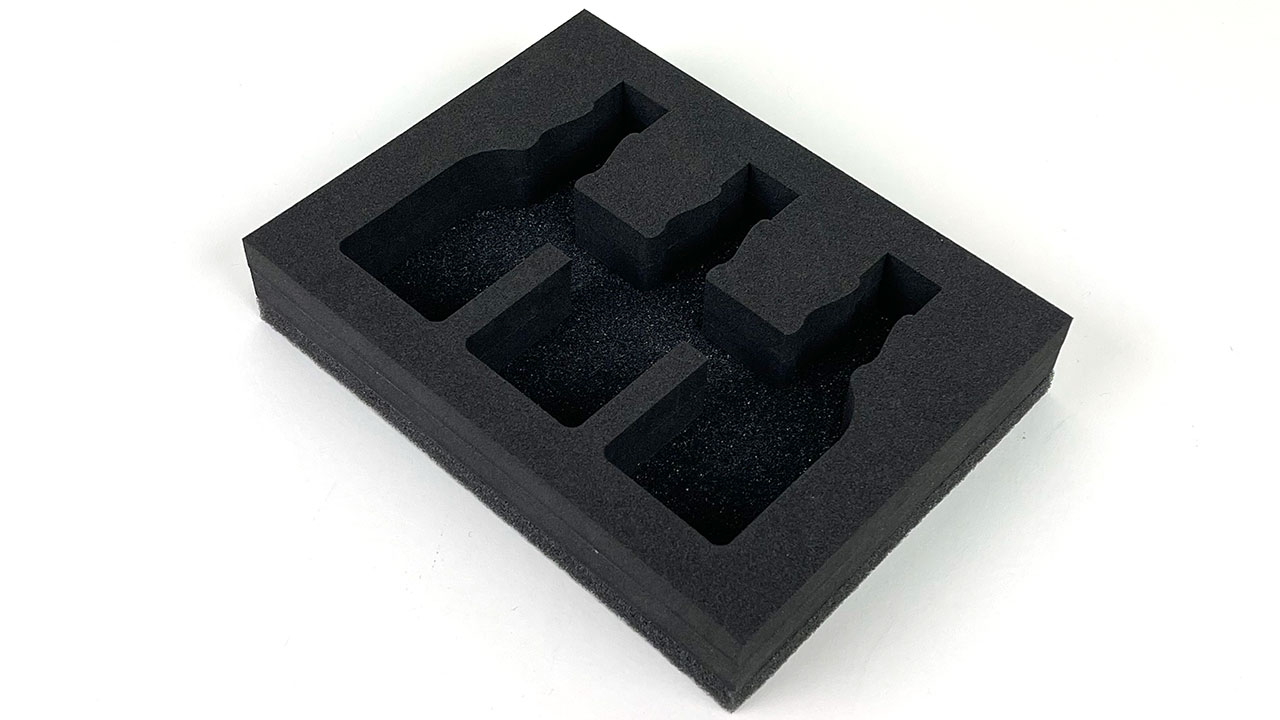
Its excellent mechanical processing capabilities—via die-cutting or digital CNC routing—are also a significant benefit. This allows IXPE to be precision-shaped into complex customized trays that fit the exact contours of components without any rough or frayed edges.
Packaging industry analysts note that the shift toward high-performance antistatic IXPE foam is not just a short-term technical trend, but is rapidly becoming a mandatory standard for component manufacturers looking to integrate deeply into the global supply chains of premium original equipment manufacturers (OEMs).